
Yellow Book vs. Private‑Sector Audit Standards

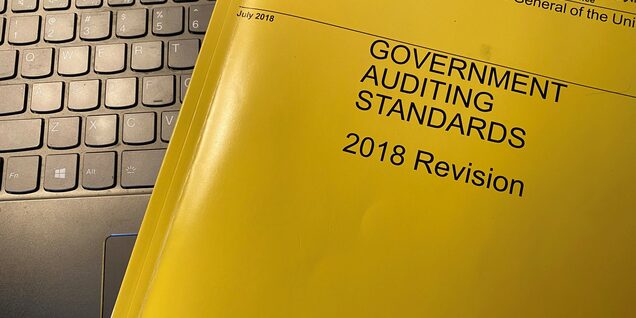
Yellow Book vs. Private‑Sector Audit Standards: Key Differences Explained
Auditing standards in the United States are not a one‑size‑fits‑all affair. Two primary frameworks, Generally Accepted Government Auditing Standards (GAGAS), also known as the Yellow Book, and Generally Accepted Auditing Standards (GAAS) for the private sector, govern how audits are performed. While both establish rigor and quality, they diverge substantially in scope, reporting, independence, quality control, and auditor expertise.
This comparison clarifies the key differences and helps organizations choose the appropriate standard for their audit needs.
Scope & Applicability
- Yellow Book (GAGAS)
Issued by the U.S. Government Accountability Office, GAGAS applies to audits of government entities, government‐funded programs, and organizations receiving substantial federal funds. It covers financial, attestation, and performance audits, emphasizing efficiency, effectiveness, and compliance.
- GAAS
Developed by the AICPA’s Auditing Standards Board, GAAS is employed by auditors of non‑public (including private and nonprofit) entities. GAAS focuses on opinion‑based financial statement audits and does not extend to performance or attestation engagements in the same comprehensive manner.
Independence & Ethical Requirements
- Yellow Book
GAGAS imposes stringent independence rules, holding auditors to both actual and perceived impartiality. It includes ethics based around public interest, integrity, and professional behavior, and adopts a conceptual framework approach that evaluates independence threats in context.
- GAAS
GAAS requires auditor independence, with ethics governed by the AICPA Code of Professional Conduct. While robust, these rules focus on independence in financial statement contexts, whereas GAGAS extends them into performance evaluations and governmental accountability.
Audit Types & Objectives
- Financial Audits
Both frameworks require fair presentation in all material respects. GAGAS incorporates GAAS for financial audits, often layering in additional procedures, such as internal control evaluations and compliance testing.
- Attestation & Reviews
GAGAS integrates AICPA’s SSAE and AR‑C standards for attestation and financial statement reviews. GAAS does not cover these engagement types in the same integrated manner.
- Performance Audits
Unique to GAGAS, these audits assess efficiency, effectiveness, and economy of programs beyond financial accuracy, promoting accountability in public operations.
Reporting Requirements
- Yellow Book Reports
GAGAS audits often include multiple deliverables:
- Standard financial audit opinion
- A report on internal controls
- A compliance report evaluating compliance with laws, regulations, and grant terms
- These combined elements form the signature Yellow Book audit report, emphasizing a higher level of transparency and stakeholder accountability.
GAAS Reports
- Focused solely on the financial statement opinion, GAAS reports adhere to AICPA standards and do not require separate internal control or compliance reporting, unless triggered by other regulations.
Use of Specialists & Technical Expertise
- GAGAS
GAGAS explicitly encourages auditors to use subject‑matter experts (e.g., engineers, geologists, actuaries) where technical competence is needed, maintaining the audit team’s ultimate accountability for conclusions.
- GAAS
GAAS allows specialists, but primarily focuses on financial and accounting technical expertise. Use of technical experts is context-driven and less defined in standard requirements.
Materiality & Risk Assessment
- Yellow Book
Often lower or more conservative materiality thresholds are applied given the public interest dimension and policy implications of audit findings.
- GAAS
Establishes materiality based on misstatement risk affecting financial statement users, typically shareholders, creditors, or lenders. Risk assessment is primarily focused on private sector concerns.
Internal Control Emphasis
- Yellow Book
Internal control evaluation is a required component, even in financial audits. GAGAS mandates testing and reporting of control design and operating effectiveness.
- GAAS
Internal control assessment is required primarily in audits of public entities under Sarbanes–Oxley (PCAOB) or when required by client needs. For many private audits, controls testing is performed, but not always reported unless materially relevant.
Why the Differences Matter
- Transparency & Accountability
- GAGAS’s broader scope and enhanced reporting are especially valuable for public trust, making it ideal for audits involving public resources or government grants.
- Enhanced Risk & Quality Control
- The 2024 quality management updates in GAGAS help ensure a more systematic, proactive approach crucial for government auditors overseeing complex, high-stakes programs.
- Technical Rigor
- When audits involve specialized fields think infrastructure, environmental projects, or actuarial estimates, GAGAS supports adding experts to ensure accurate, credible findings.
- Public vs Private Stakeholder Needs
- GAAS aligns with private sector stakeholders focused on financial accuracy, while GAGAS meets broader audiences, citizens, regulators, beneficiaries demanding transparency and program effectiveness.
Final Takeaway
- Choose GAGAS (Yellow Book) if you’re auditing government programs, publicly funded initiatives, or entities where public accountability is paramount.
- Opt for GAAS for traditional financial audits in the private and nonprofit sectors, where the focus is on financial statement accuracy for investors, creditors, and management.
Regardless of the path, understanding these frameworks helps organizations ensure audit quality, compliance, and stakeholder trust, whether the audience is shareholders or taxpayers.